



Understanding the Distinctions Between Indoor and Outdoor Painting
Painting is an essential part of maintaining and enhancing a building’s appearance. However, not all painting projects are created equal. The key differences between interior and exterior painting lie in their specific requirements, materials used, and application techniques. Understanding these distinctions can help homeowners make informed decisions and ensure that their spaces are both beautiful and durable.
Materials Used for Different Surfaces
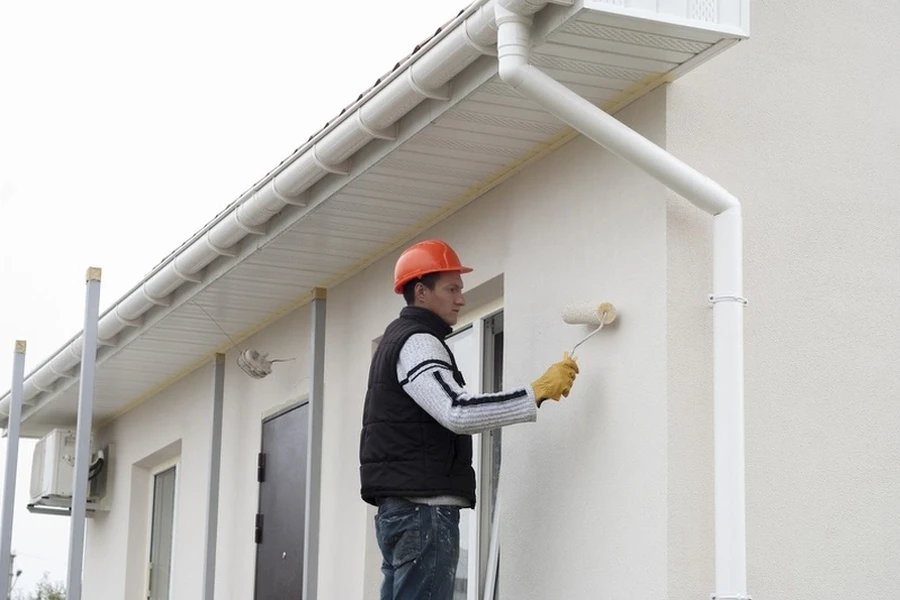
The materials used for painting indoors versus outdoors differ significantly due to varying environmental conditions. Interior paints are typically designed to be more delicate, focusing on aesthetics and surface smoothness. They often lack the durability needed to withstand harsh weather conditions. On the other hand, exterior painting demands robust formulas that can resist UV rays, rain, and temperature fluctuations.
Importance of Paint Durability
Durability is crucial when choosing paint for outdoor use. Exterior painting requires products with high resistance to fading, peeling, and cracking over time. These paints contain special additives and binders that enhance their longevity even under extreme conditions. Conversely, interior paints prioritize washability and color retention since they face fewer challenges from environmental factors.
Application Techniques for Optimal Results
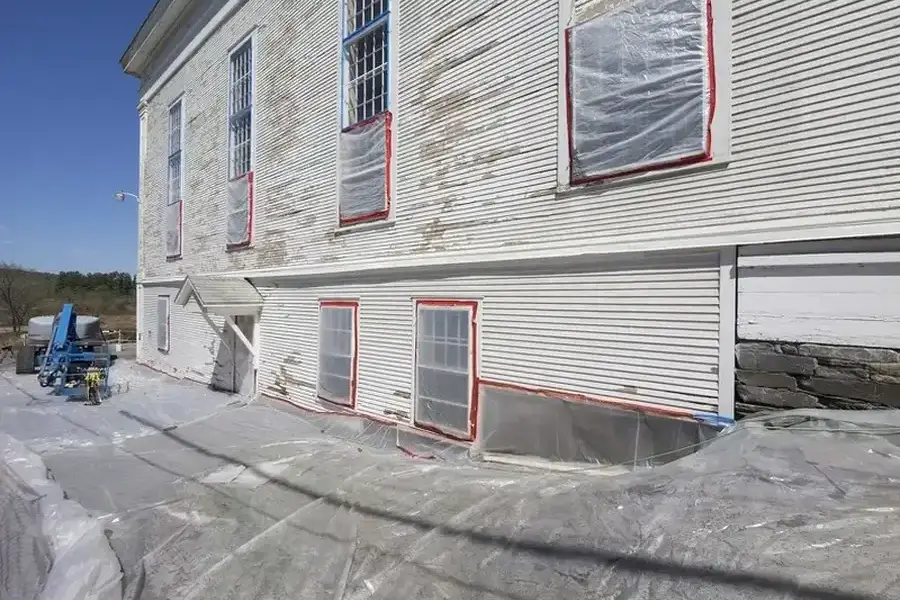
The techniques applied during painting also vary based on whether the project is indoors or outdoors. Exterior surfaces require thorough preparation, including power washing and priming, to ensure the paint adheres properly. On the contrary, interior painting often involves less intensive prep work but may focus more on achieving a smooth finish free of brush strokes or roller marks.
Environmental Considerations
Environmental impact is another factor distinguishing interior from exterior projects. While indoor paints must be low in volatile organic compounds (VOCs) for healthy air quality, exterior paints often have higher VOC content to boost durability. Selecting eco-friendly options for both settings can help reduce this impact without sacrificing performance.
Cost Implications of Painting Projects
Budget considerations play a role in deciding between different types of painting jobs. Generally, exterior projects are more costly due to the need for specialized materials and additional labor for preparation and safety measures. In contrast, interior projects might offer some cost savings but still require attention to detail and quality products to achieve desired results.
Choosing the Right Paint for Your Needs
Selecting the appropriate paint type depends on understanding your specific needs and conditions. Here are some tips to keep in mind:
- Consider climate: Choose paints suited for local weather patterns.
- Evaluate surface material: Use paint compatible with wood, metal, or masonry.
- Think about usage: High-traffic areas need more durable finishes.
Ensuring Longevity Through Proper Maintenance
Maintaining painted surfaces prolongs their lifespan regardless of location. Regular cleaning, prompt repairs of chips or cracks, and periodic touch-ups can prevent larger issues down the line. Additionally, using quality primers and sealants helps protect against moisture damage and wear.
Your Trusted Partner For All Painting Needs
Custom Concepts Painting offers expert guidance and services tailored to meet diverse painting needs. Whether you’re looking to refresh your home’s interior or tackle an extensive outdoor project, our team is here to assist you every step of the way. Reach out today at (941) 565-3845 to discuss how we can bring your vision to life. Located in Bradenton, FL, we’re committed to delivering exceptional quality and customer satisfaction.